
Outdoor Recreation Utah
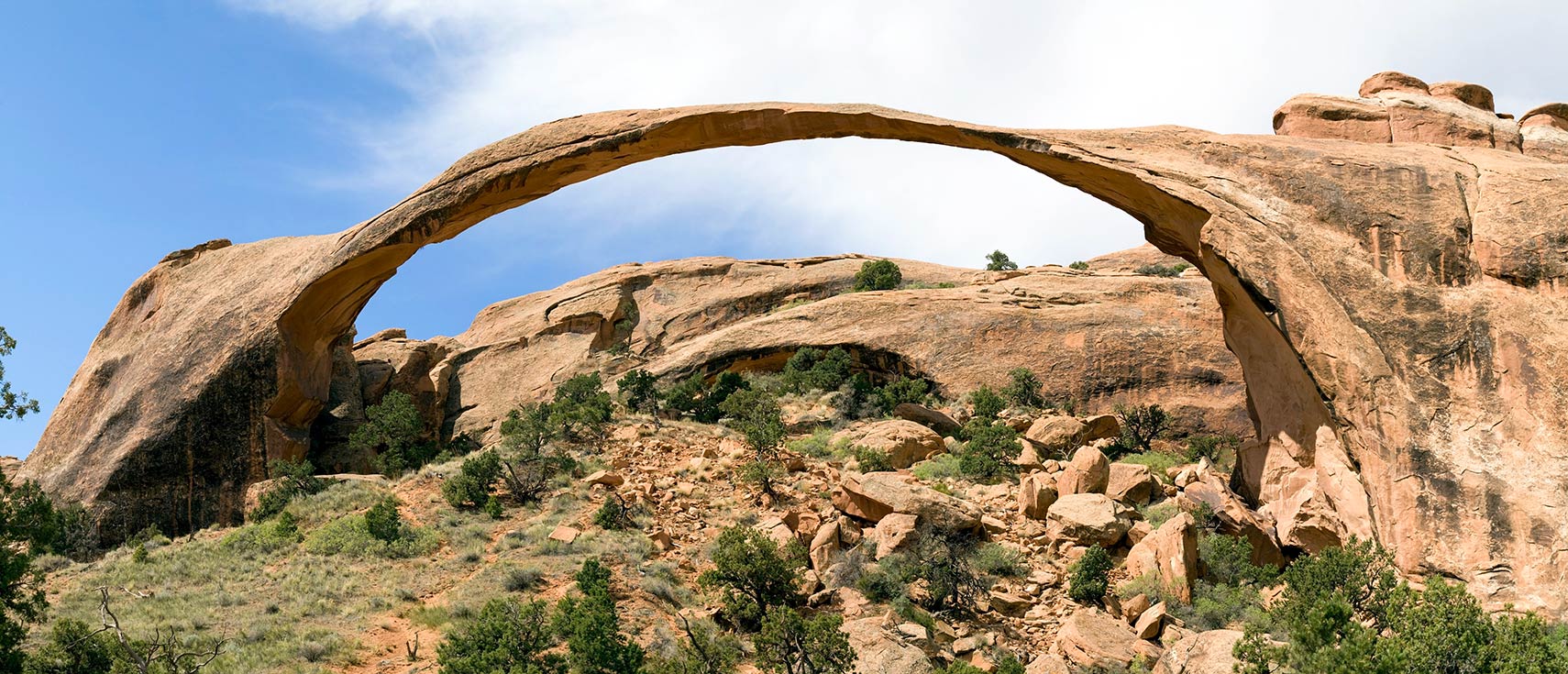
Utah is all about outdoor recreation and is known for many amazing outdoor activities. If you're seeking a weekend of hiking or backpacking, Utah has countless options. For starters, one could spend years exploring all of the nooks and crannies of just one of the five national parks, 44 state parks, nine national monuments, five national forests and two national recreation areas. 22.8 million acres of public lands, make up almost 42 percent of Utah outdoors. These lands range from snowcapped mountains of remote mountain ranges to wild rivers and colorful red rock canyons.
Where in the United States is Utah?
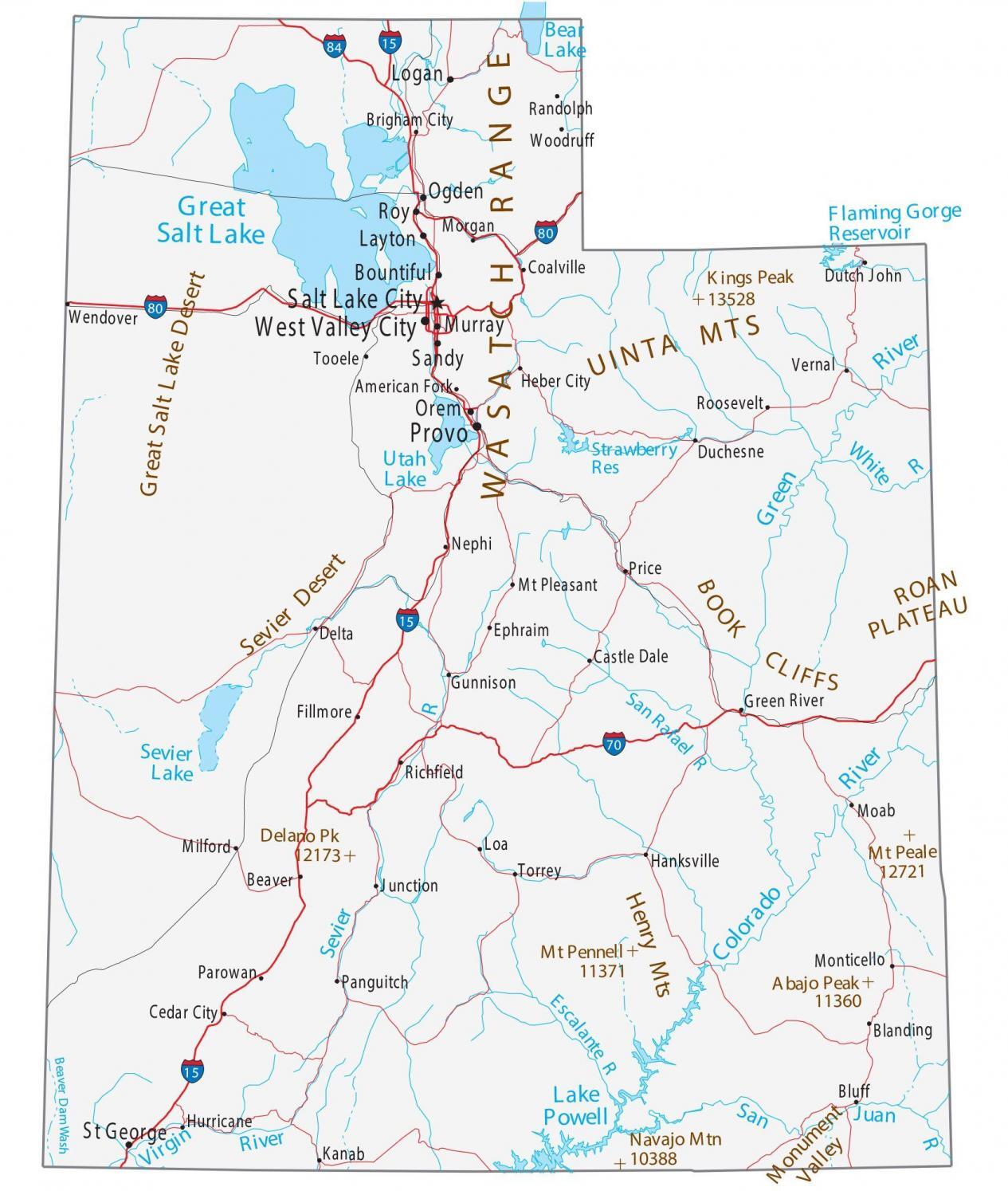
Utah is one of the 50 US states located in the western United States. The landlocked state borders Idaho and Wyoming in the north, Colorado in the east, Arizona in the south, Nevada in the west, and New Mexico at a single point at the Four Corners Monument. The region that is today Utah became part of Mexico in 1821 and was ceded to the US in 1848. Utah became the 45th state of the US in 1896.Some GeographyUtah covers an area of 219,882 km² of (84,897 sq mi), compared it is somewhat smaller than the island of Great Britain (229,848 km²) or about half the size of Iraq. Compared with other US states, Utah would fit into Texas more than three times.
Lakes of Utah
Major geographical features of the Beehive State (its nickname) are the Great Salt Lake Desert, a desert formed by a large dry lake (paleolake) between the Great Salt Lake and the Nevada border, east of Salt Lake City. The evaporated lake was once part of Lake Bonneville, a prehistoric pluvial lake that covered much of the eastern part of North America's Great Basin region.The Great Salt Lake, the largest saltwater lake in the Western Hemisphere, is also a remnant of Lake Bonneville.Utah Lake south of Salt Lake City and west of the Wasatch Mountain Range is a shallow freshwater lake with only one river outlet, the Jordan River.Sevier Lake in the Sevier Desert is fed by the Beaver and Sevier rivers.Lake Powell is a reservoir on the Colorado River in southern Utah and northern Arizona. Its water is used to retain and supply water to several western United States.
Rivers in Utah
- The Colorado is one of the principal rivers of the Southwestern United States.
- The Green River in the western part of the country is a chief tributary of the Colorado River.
- The Bear River is the largest tributary of the Great Salt Lake; it drains the mountainous area and valleys northeast of the lake.
- The San Juan River in the southeastern corner of Utah is another major tributary of the Colorado River; it defines the northern border of the Navajo Reservation.
- The Sevier River is the longest river 449 km (279 mi) entirely in Utah; it feeds the Sevier Lake, the rivers water is used extensively for irrigation and consequently Sevier Lake is now mostly dry.
- The 388 km (241 mi) long Dolores River drains an arid region of the Colorado Plateau in Colorado before it flows into the Colorado River.
- Blacks Fork is a 282 km long (175 mi) tributary of the Green River.
- The White River is also a tributary of the Green River.
- The Virgin River, a 261 km (162 mi) long tributary of the Colorado, was designated Utah's first wild and scenic river.
- The Price River has its source in the Wasatch Range, it flows then southeastward through Price Canyon and empties into the Green River.
Mountains of Utah
- The Wasatch Range is a 430 km (270 mi) long mountain chain running from the Utah-Idaho border south through central Utah. The highest peak in the Wasatch is Mount Nebo at an elevation of 3,636 m (11,928 ft).
- In Utah's southeast near the city of Moab, along the Utah/Colorado border, there is the La Sal Range with its highest elevation at Mount Peale (3,877 m or 12,721 ft).
- The Henry Mountains is in the southeastern portion of Utah, the highest peak is Mount Ellen at 3,512 m (11,522 ft).
The Navajo Mountain on the Utah/Arizona border is the highest point in the Navajo Nation. - The state's highest point is Kings Peak within the Uinta Mountains in northeastern Utah, reaching 4,123 m (13,528 ft).
National Parks of Utah
- Arches National Park has some 2,000 natural sandstone arches.
- Bryce Canyon features hundreds of multicolored sandstone hoodoos (fairy chimney) created by erosion (or a stoned god).
- Canyonlands is a maze of canyons, mesas, and buttes shaped the waters of the Colorado River, the Green River, and their tributaries.
- Capitol Reef, desert landscape with picturesque geologic landforms and rock formations in south-central Utah, facilitates scenic hiking.
- The Zion National Park, with its famous Zion Canyon, is a deep and narrow gorge carved by the North Fork of the Virgin River.
- Monument Valley Navajo Tribal Park is the Navajo Nation equivalent to a national park. Monument Valley is world-famous for its isolated colossal shafts and buttes of rock. The Valley lies mostly in northern Arizona, but the highway turn-off that leads into it is across the border in Utah.
Food and Drink in Utah
The food scene in Utah is one of a kind because of how closely it is tied to the state’s history and its local cuisine. Recipes tend to show the mark of early settler impact, especially Mormon pioneers who used comforting, hearty recipes that were passed down through generations and adapted. Iconic foods such as fry sauce, funeral potatoes, and Jell-O salads highlight this tradition. Utah’s natural resources also shape the state’s culinary identity, where honey, trout, and even local vegetables are staples of the cuisine. There is also an expanding modern food movement in the state, which fuses traditional flavors with more progressive takes, crafting a distinctive food culture that caters to many different tastes.